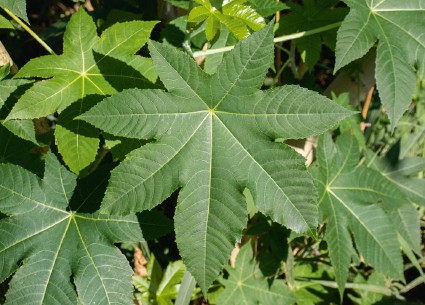
In the Yorùbá spiritual tradition, there is a saying that captures something essential about the way the universe works:
“Kò sí ewé, kò sí àşẹ.”
Without leaves, there is no medicine. Without leaves, there is no power.
This is not poetry for the sake of poetry. It is a statement of cosmological fact. In Ifá and Òrìşà practice, ewé—sacred leaves and plants—are the bridge between the spiritual and physical worlds. They carry àşẹ, the divine energy that activates prayer, empowers ritual objects, and opens the door between Orún (heaven) and Ayé (earth).
Without ewé, the Orisa cannot act. Initiations cannot be completed. Medicines cannot heal. Offerings cannot be fully received. In a tradition rich with chanting, divination, and sacrifice, it is the humble leaf that holds everything together.
Ewé in the Odù: Where Herbal Knowledge Lives
The Odù Ifá—the 256 sacred verses revealed through divination—are far more than spiritual parables. They are encyclopedias of living knowledge. Embedded within each Odù are references to specific plants, their properties, and the rituals in which they are used.
When a Babalawo casts Opele or Ikin and an Odù appears, the verses that follow contain instructions: which ewé to gather, how to prepare them, what incantations (àfòsẹ́ or ofò) must accompany them, and which Orisa they serve. The Odù does not separate the spiritual from the botanical. They are one system.
For example, the leaf known as ewé têtê (Amaranthus species) appears across multiple Odù in connection with coolness, peace, and calming negative spiritual energy. Ewé rinrin (Peperomia pellucida) is associated with softness and ease. Ewé àkóko (Newbouldia laevis) carries deep ceremonial weight in initiation rites.
These associations are not arbitrary. They reflect centuries of observation, revelation, and oral transmission—knowledge passed from elder to initiate, from Babalawo to godchild, from one generation to the next.
How Ewé Functions in Ceremony
Plants serve multiple roles in Òrìşà practice, and understanding those roles helps explain why no ceremony can proceed without them.
Omiero: The Sacred Water
Omiero is the foundational ritual preparation made by crushing, squeezing, and praying over fresh ewé in water. It is used to consecrate ritual objects, bathe initiates, and wash sacred implements. Each Orisa has a specific combination of leaves used in their omiero. Without the correct ewé, the omiero lacks the àşẹ needed to empower the ceremony.
Akose: Herbal Medicines and Spiritual Preparations
Akose are prepared medicines—powders, soaps, baths, and infusions—made from specific plant combinations as prescribed by Odù. These are not merely folk remedies. They are spiritual technologies that address specific conditions: protection from negativity, attraction of abundance, removal of spiritual blockages, and restoration of balance.
Incantation and Activation
In Ifá tradition, a leaf without its ofò (incantation) is incomplete. The verbal component—spoken directly to the plant—awakens its àşẹ. The words remind the plant of its purpose and power. This is why the oral tradition is inseparable from the herbal one. A practitioner who knows the plant but not the word, or the word but not the plant, has only half the medicine.
Why Freshness and Sourcing Matter
In traditional practice, ewé is gathered with intention. The practitioner approaches the plant, offers a prayer, and requests permission before harvesting. The time of day, the day of the week, and even the hand used to pick the leaf can carry spiritual significance.
Freshness is not just about potency in a chemical sense—it is about spiritual vitality. A dried, mass-processed leaf may retain some botanical properties, but it has lost the living àşẹ that makes it suitable for sacred work. This is why, at Ilé Ajé Ọ̀lá, we prioritize shipping fresh ewé the same day or next day. The leaf should arrive to you as close to its living state as possible.
Ewé Orí: Preserving This Knowledge for the Next Generation
One of the greatest challenges facing practitioners today is access to reliable, organized information about sacred plants. Much of this knowledge has been transmitted orally, and as elders pass on, there is a real risk that specific plant associations, preparation methods, and incantations may be lost.
This is why we created Ewé Orí: Leaves of Destiny, Vol. 1. This book documents fifty sacred plants used across Yorùbá tradition and the diaspora—their names in Yorùbá and English, their associated Orisa, the Odù that reference them, and their ceremonial applications. It is not a replacement for the guidance of an elder, but it is a reference tool that honors the depth of this tradition and makes it more accessible to serious students and practitioners.
Closing: The Leaf Is the Beginning
If you are walking this path—whether you are newly curious about Òrìşà practice or a seasoned initiate—understanding ewé is not optional. It is foundational. The leaf is where spiritual work begins. It is the first ingredient in the first medicine. It is the carrier of the first prayer.
When you hold a fresh leaf in your hand and speak its ofò, you are participating in something ancient and alive. You are connecting to a tradition that understands the earth itself as sacred, that sees divinity not only in the sky but in the soil, in the root, and in the green of every growing thing.
Ready to Go Deeper?
Explore Ewé Orí: Leaves of Destiny, Vol. 1 — available now at ileajeola.com/shop
Browse our collection of fresh ewé, spiritual baths, and akose at the Ilé Ajé Ọ̀lá store.
Need guidance? Book a spiritual consultation — ileajeola.com/contact