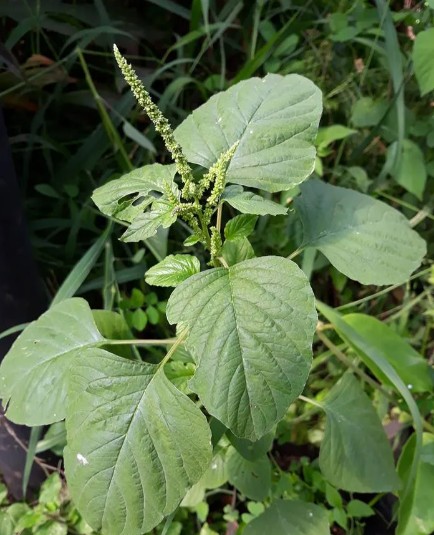
The Sacred Amaranth of Yoruba Tradition
Across West Africa, few plants are as widely known and respected as Ewé Tètè. Among the Yoruba people of Nigeria and the diaspora, this humble leafy plant is more than just food. It is medicine, spiritual medicine, and a symbol of the intimate relationship between human beings, nature, and the divine.
From village kitchens to sacred ritual spaces, Ewé Tètè has played an important role in daily life for generations. Understanding this plant provides a glimpse into the deeper philosophy of Yoruba herbal knowledge — a system where plants nourish the body, restore balance, and carry spiritual power.
The Identity of Ewé Tètè
Ewé Tètè is generally identified botanically as Amaranthus species, commonly known in English as amaranth greens. The plant grows easily in tropical climates and is recognizable by its soft green leaves and tender stems.
Among the Yoruba people, the word “ewé” simply means leaf or plant, while “tètè” refers to this specific herb.
Amaranth grows abundantly throughout Nigeria and other parts of West Africa. Because it grows quickly and thrives in warm environments, it has long been considered a dependable and accessible plant for both nourishment and healing.
Ewé Tètè in Yoruba Culinary Tradition
In Yoruba households, Ewé Tètè is widely used as a leafy vegetable in traditional cooking. The young leaves are tender, nutritious, and rich in vitamins and minerals.
It is commonly prepared in soups and stews, often combined with ingredients such as:
• palm oil
• peppers
• onions
• tomatoes
• locust beans (iru)
• fish or meat
The leaves cook quickly and produce a slightly earthy flavor that blends well with other ingredients. Like many traditional African vegetables, Ewé Tètè is valued not only for its taste but also for its nutritional strength.
Amaranth greens are known to contain:
• iron
• calcium
• vitamin A
• vitamin C
• fiber
• antioxidants
Because of this, the plant has long been considered a strength-building food, especially beneficial for children, pregnant women, and people recovering from illness.
Medicinal Uses of Ewé Tètè
Traditional Yoruba herbal medicine recognizes Ewé Tètè as a plant with cooling and restorative properties.
In folk medicine it has been used to support the body in several ways.
Blood and Iron Support
Because the plant is rich in iron, it has historically been recommended in cases of fatigue, weakness, or suspected anemia.
Digestive Support
Decoctions of the leaves are sometimes used to support digestion and help regulate bowel movements.
Skin Conditions
Mashed leaves or herbal preparations may be applied externally to soothe irritated skin or minor wounds.
Anti-inflammatory Effects
Amaranth leaves are traditionally associated with calming inflammation and supporting general health.
Many of these traditional uses are now supported by modern nutritional research showing that amaranth is a nutrient-dense and antioxidant-rich plant.
The Spiritual Significance of Ewé Tètè
While its culinary and medicinal uses are widely appreciated, the spiritual role of Ewé Tètè is what gives the plant its deeper cultural meaning within Yoruba tradition.
In Yoruba cosmology, plants are not simply biological organisms. They are living vessels of ase — the sacred life force that flows through all creation.
Every plant carries a particular energetic quality. Through ritual knowledge passed down by herbalists, priests, and diviners, certain plants become associated with specific spiritual purposes.
Ewé Tètè is regarded as a purifying and balancing herb.
Ewé Tètè in Spiritual Cleansing
One of the most common spiritual uses of Ewé Tètè is in herbal baths (omi ero or omiero) prepared for spiritual cleansing.
In these preparations the leaves are often combined with other sacred plants and steeped in water. The resulting infusion is used to bathe the body or cleanse ritual objects.
Such baths may be prepared for purposes such as:
• removing spiritual heaviness
• restoring emotional balance
• clearing negative influences
• preparing a person for prayer or ritual work
In traditional belief, these herbal baths do not merely clean the body — they harmonize the spiritual energy surrounding a person.
Association with Spiritual Balance and Protection
Ewé Tètè is frequently included in herbal formulas designed to restore equilibrium when a person feels spiritually or emotionally unsettled.
The plant is considered gentle yet effective, making it suitable for regular cleansing rituals rather than only for extreme conditions.
Because of this reputation, Ewé Tètè appears in many herbal combinations used by practitioners of Ifá and Òrìṣà traditions.
Ewé Tètè in Ritual Preparation
In certain contexts, Ewé Tètè may also be used in preparations that cleanse ritual tools, sacred spaces, or spiritual altars.
The goal of these preparations is to remove stagnant energy and invite clarity before performing prayer, divination, or offerings.
Such uses reflect a broader Yoruba understanding that purity and balance are necessary conditions for spiritual communication.
The Philosophy Behind Sacred Plants
The Yoruba relationship with plants reflects a philosophy that sees nature as deeply interconnected with human life.
Herbal knowledge is not simply botanical science. It is a body of wisdom built through centuries of observation, spiritual insight, and cultural memory.
Plants like Ewé Tètè remind us that healing can occur on multiple levels:
• physical nourishment
• medicinal support
• spiritual purification
When used with knowledge and respect, sacred plants become tools for restoring harmony between the body, the spirit, and the natural world.
A Living Tradition
Today, Ewé Tètè continues to be used throughout Nigeria, the Caribbean, and the diaspora communities where Yoruba traditions survive.
From the kitchen to the herbal bath, this humble green leaf carries with it generations of cultural knowledge.
For practitioners of traditional spirituality and those interested in sacred plants, Ewé Tètè stands as a powerful example of how simple plants can hold profound meaning.